How to Buy a Second-Hand House Without Missing Out? 8 Key Points to Check Before Transfer
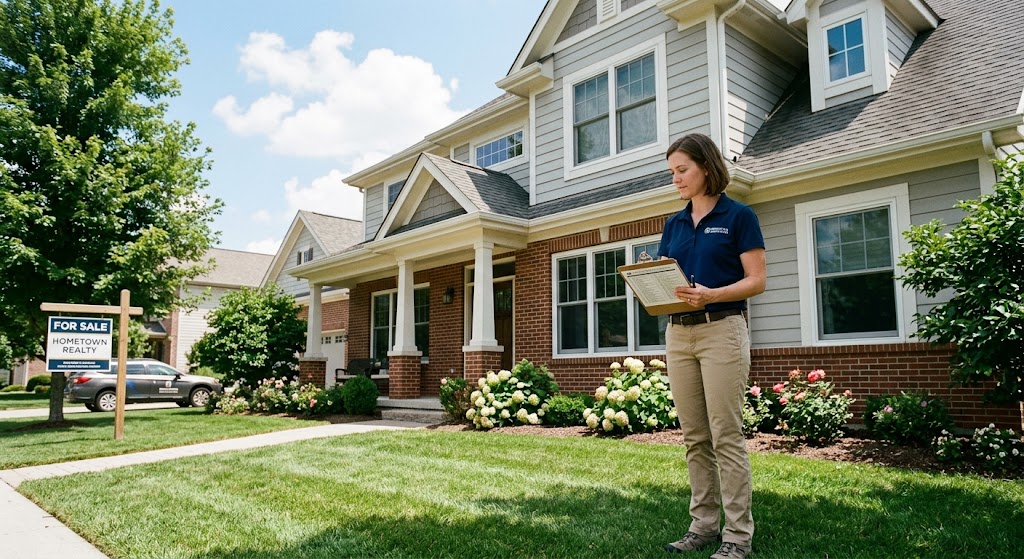
Buying a second-hand house is an attractive option for those seeking a home in a good location but with a limited budget. Often, second-hand houses are priced lower than new houses in the same area, and buyers can see the actual condition of the house and its surroundings before making a decision. However, a good price does not always mean good value. Without thorough inspection, buyers may face significant repair costs after the ownership transfer.
Therefore, before deciding to buy a second-hand house, you should check the following important factors:
1. Inspect the house structure first
The most important aspect of a second-hand house is not the wall paint or decoration, but the main structural framework. Check for cracks around columns, beams, walls, floors, and near doors or windows. Small cracks may be caused by cement shrinkage and are not serious, but large continuous cracks or abnormal floor subsidence require an engineer or expert to inspect before purchase.
2. Check the electrical and plumbing systems
Older houses may have electrical systems not designed to support many modern appliances. Inspect the electrical panel, breakers, wiring, outlets, and connection points. For plumbing, test all faucets, water pressure, drainage, and check for leaks in bathrooms, kitchens, and ceilings. The cost to replace electrical or plumbing systems throughout the house can be much higher than expected.
3. Inspect the roof and water leakage issues
One common problem in second-hand houses, especially those over 10 years old, is roof leakage. Check ceilings for water stains, mold, or signs of moisture. If possible, visit the house after rain to better identify leakage problems. Also, inspect gutters and drainage around the house, as standing water can affect foundations and cause long-term moisture issues.
4. Compare prices with houses in the same area
Before buying, survey prices of at least 3–5 houses of similar size and location to assess if the asking price is reasonable. For example, if the average price in the neighborhood is 3.5 million baht but the house you are interested in is 4.2 million baht, verify if the higher price is justified by extensions, land size, location, or additional decoration. Price comparison helps you negotiate more effectively.
5. Don’t forget to calculate repair budgets
A cheap second-hand house can become expensive if multiple repairs are needed simultaneously. Estimate costs for repainting, flooring, bathroom repairs, roof replacement, electrical system, air conditioning, or furniture. If a house costs 3 million baht but requires 600,000 baht in renovations, consider the total 3.6 million baht when comparing with other houses, not just the sale price.
6. Verify ownership documents
Before placing a deposit, check the land title deed and ensure the owner’s name matches the seller. Also, verify if the property has any mortgage, seizure, or other restrictions. If the seller still has a mortgage with a bank, the sale can proceed but must include proper debt clearance and mortgage redemption on the transfer day. For houses with extensions, confirm that the constructions comply with legal regulations.
7. Survey the environment at different times
A location that seems quiet during the day may have traffic or noise issues in the evening. Visit the area at least 2–3 different times. Check commute during rush hours, noise levels, shops, schools, markets, garbage disposal points, and nighttime safety. For housing estates, inquire about common fees, security systems, and the condition of communal areas.
8. Inspect the house again before transfer
After agreeing on the sale, conduct a final inspection before ownership transfer to confirm the house condition matches the agreement. Check that furniture, air conditioners, water pumps, water heaters, and other included equipment are complete and functional. If problems are found, agree on solutions with the seller before proceeding with the transfer.
Summary
To get value when buying a second-hand house, look beyond the sale price. The key factors are the actual condition of the property, renovation costs, ownership documents, and location quality. Buyers should carefully inspect the structure, electrical and plumbing systems, roof, environment, and compare market prices. For older houses or if abnormalities are found, investing in a professional inspection can prevent costly repairs later. With complete information and a clear understanding of total costs, choosing a well-priced second-hand house becomes an informed decision rather than luck, ensuring a home suitable for both living and long-term budget.
Like this article?
Share this article with your friends.
Share